
Planning and roadmaps
Turning goals into a clear plan: scope, priorities, milestones, and realistic timelines everyone agrees on.
RoadmapsBacklogEstimation

I oversee software projects from planning to delivery: tracking progress, coordinating the team, and keeping work on course using Agile methods like Scrum and Kanban.
Most late or over-budget software projects do not fail because of the code. They fail because of unclear goals, hidden problems, and a team that is not working from the same plan.
With my technical background, I plan realistically, keep everyone informed, and help the team deliver working software step by step.

The planning, tracking, and coordination that keep a software project moving in the right direction.
Turning goals into a clear plan: scope, priorities, milestones, and realistic timelines everyone agrees on.

Running sprints from planning to review, keeping the team focused on delivering working software regularly.

Visual boards with work-in-progress limits that show where work is stuck and keep delivery flowing smoothly.
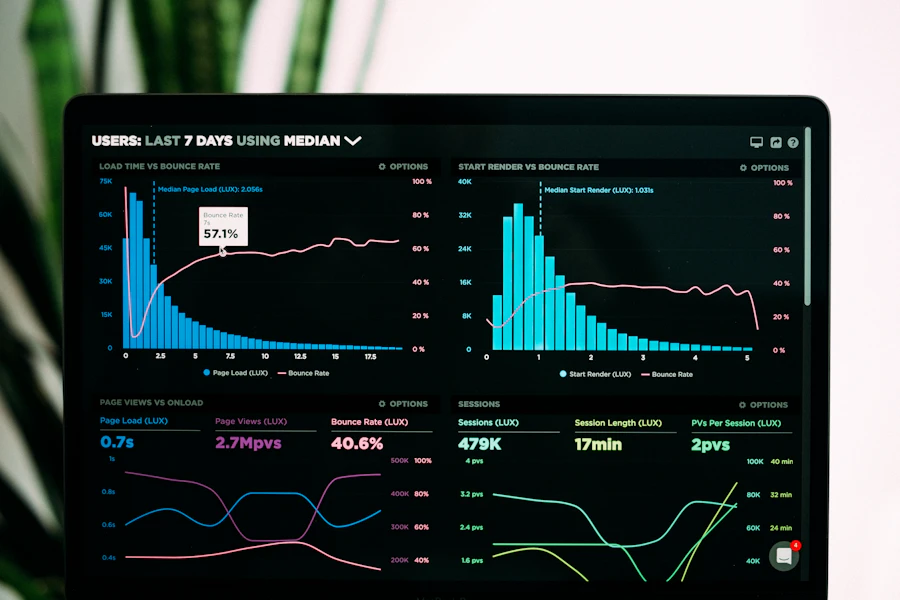
Honest, easy-to-read updates on what is done, what is next, and whether the project is on track.

Connecting developers, designers, and stakeholders so everyone knows their part and blockers get removed quickly.
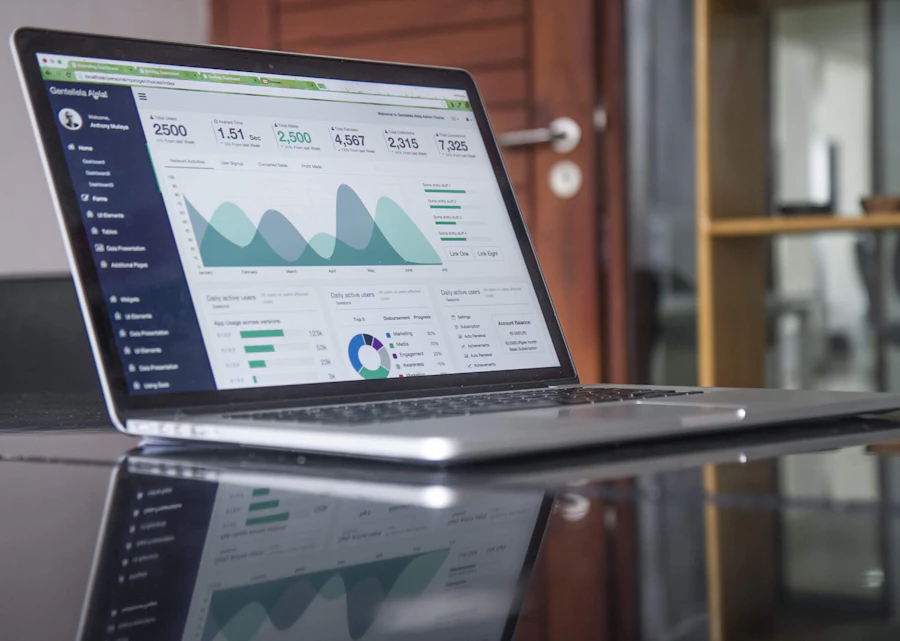
Spotting risks early and handling changing requirements without losing control of time or budget.

I work with the method that fits your team. Switch between the two to see how each one runs.
Work is organised into short sprints. Each sprint ends with a working piece of software and a chance to look back and improve.
Best for: Products with evolving requirements, where regular demos and feedback shape what gets built next.
A typical 1 to 2 week sprint
A steady rhythm of updates, so you never have to wonder where the project stands.
A short note on what was done, what is next, and anything blocking the work.
A clear summary of progress against the plan, and a check that priorities still make sense.
A live look at working software, so you can give feedback while changes are still cheap.
A step back to review timelines, budget, risks, and the direction of the product.
Progress, problems, and delays are visible to everyone, early enough to act on them.
Estimates based on how work actually gets done, not on wishful thinking.
Everyone knows what is expected of them, and questions get answered quickly.
Each sprint or cycle teaches something, and the next one runs a little better.
Define the goals, scope, stakeholders, and what success looks like.
Build the backlog, roadmap, estimates, and choose the way of working.
Coordinate the team, remove blockers, and deliver in regular increments.
Track progress, manage risks, and adjust the plan as things change.
Release, hand over, and make sure the result meets the goals.
Look back at what worked, and carry the lessons into the next project.
Clear documents and working tools, so the project stays organised even when people change.
Something else on your mind? Send me a message and I will reply personally.
Scrum works well for building a product in stages with regular feedback. Kanban suits ongoing work where tasks arrive continuously. We can also combine ideas from both. I will recommend what fits your team and explain why.
Yes. On smaller projects I can plan, coordinate, and build. On larger ones I focus on coordination, so the team can concentrate on delivery.
I adapt to what your team already uses, such as Jira, Trello, Linear, GitHub Projects, or Notion. If you do not have a tool yet, I will help you choose a simple one.
You get regular, honest updates and access to the board, so you can see progress at any time. If something slips, you hear about it early, along with a plan to deal with it.
Change is normal. New requests are added to the backlog, weighed against the existing priorities, and scheduled with a clear view of the effect on time and cost.

Starting a new project, or one that has lost its direction? Tell me where you are, and we will plan the way forward.
